Drug Mnemonic

Colchicine

Microtubule Inhibitor • Anti-Gout
June 8, 2026

A story built from the name colchicine itself - so the mechanism of action, key side effects, and the way Step 1 actually tests it stick on the first read.

▶  Watch the breakdown

RxMnemonic Antigout
Colchicine
Microtubule Inhibitor • Anti-Gout
COL = cold + CHICINE = chicken
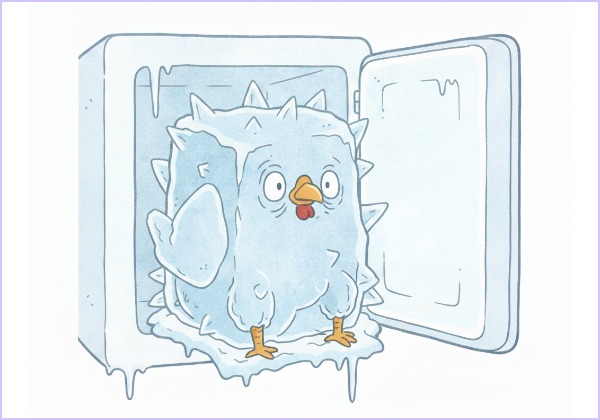
Separate colchicine into COL (sounds like cold) and CHICINE (sounds like chicken). Imagine a cold (COL) chicken (CHICINE) pulled straight from the freezer. A frozen chicken can't walk anywhere, and neither can your neutrophils: colchicine (COLD CHICKEN) freezes microtubules.
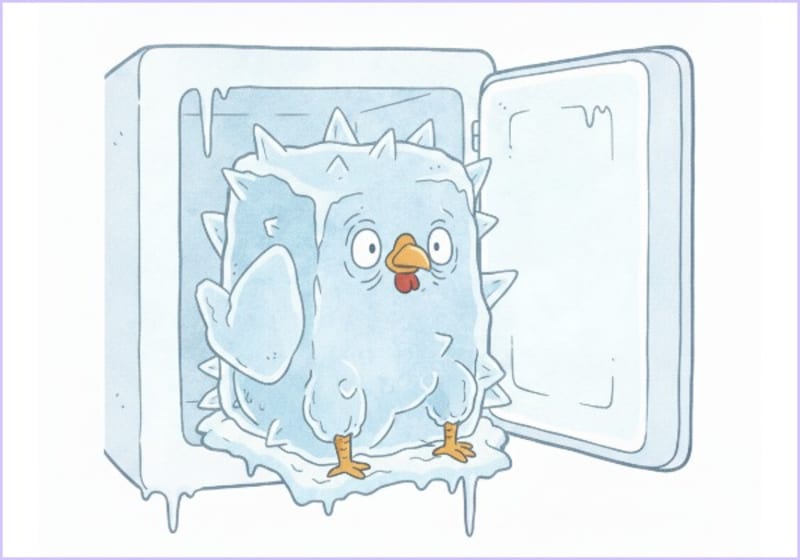
Colchicine pharmacology mnemonic illustration
Antigout COL = cold | CHICINE = chicken
HOW STEP TESTS IT
1
Colchicine binds tubulin and blocks microtubule polymerization, so neutrophils can't migrate to the joint. It treats acute gout flares and prophylaxis (including familial Mediterranean fever) but does not lower uric acid, unlike allopurinol.
2
The common side effects are GI, especially diarrhea. Its therapeutic window is narrow, so toxicity rises with renal impairment or with CYP3A4/P-glycoprotein inhibitors like clarithromycin.
New Drug · Every Monday rxmnemonic.com
Brought to you by RxMnemonic One drug. One story. Never forget it.
← All Drugs Get Next Week's Drug
Download Image
Practice Question

A 62-year-old man develops an acutely swollen, red, painful big toe and is started on colchicine. Two days later, he has severe diarrhea and muscle weakness, with an elevated creatine kinase. His chart shows he was recently started on clarithromycin. What best explains his new symptoms?

More Antigout

Allopurinol
← SpironolactonePilocarpine →
Pharmacology Summary

Colchicine: Mechanism, Uses & High-Yield Facts for USMLE Step 1

Colchicine is a microtubule inhibitor used for acute gout flares and long-term prophylaxis, including familial Mediterranean fever. It binds tubulin and blocks neutrophil migration to the inflamed joint but does not lower uric acid levels. Toxicity is narrow — renal impairment and CYP3A4/P-glycoprotein inhibitors like clarithromycin both raise drug levels, causing the classic triad of GI distress, myelosuppression, and neuromyopathy.

Get next week's drug
in your inbox.

Every Monday, one new drug. Story, mnemonic, and practice question. Completely free.

Free for Health Students
One drug.
Never forget it.
Join health students who get a story-based pharmacology mnemonic every Monday, built to stick for Step 1 & 2.
Story + image that makes mechanisms unforgettable
Mnemonic built into the drug name itself
Weekly high-yield pharmacology practice question
100% free · No spam · Unsubscribe anytime