RxMnemonic
Antihypertensive
Clonidine
Alpha-2 Agonist • Antihypertensive
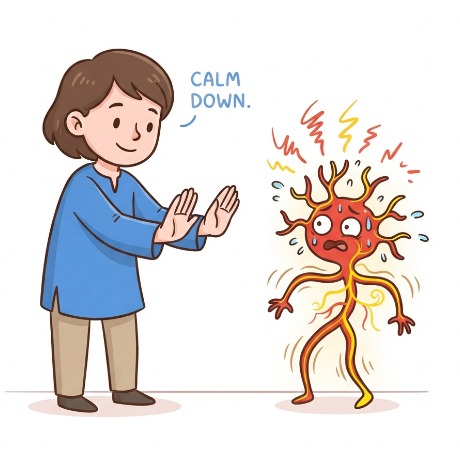
CLONI = calm it
+
DINE = down
Break clonidine into CLONI (sounds like calm it) and DINE (sounds like down): calm it down. When you want to calm the body down, you turn on the alpha-2 receptor, the one that puts the brakes on sympathetic outflow. Clonidine is an alpha-2 agonist, so it switches that brake on: less sympathetic signal leaving the brain, so heart rate and blood pressure drop. Calm-it-down, alpha-2 on, sympathetics off.

Antihypertensive
CLONI = calm it | DINE = down
HOW STEP TESTS IT
1
Clonidine is a central alpha-2 agonist. Activating alpha-2 receptors in the brainstem reduces sympathetic outflow, which lowers heart rate and blood pressure. Alpha-2 is a presynaptic brake, so an agonist here calms the sympathetic system instead of stimulating it.
2
It treats hypertension, ADHD, and helps blunt opioid/alcohol withdrawal. Two board favorites: abrupt stop causes rebound hypertension, so it must be tapered, and dry mouth and sedation are common side effects.
New Drug · Every Monday
rxmnemonic.com
Brought to you by RxMnemonic
One drug. One story. Never forget it.
 Download Image